
 |
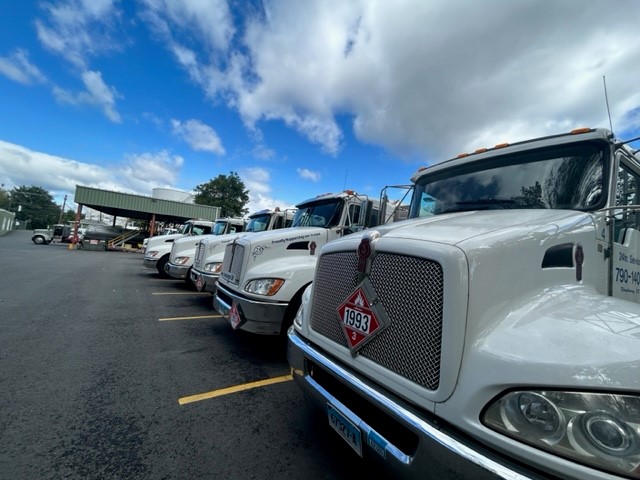
| Delivery Reminders Please remember to plow, salt and clear your driveway. Our trucks need it to be 8 – 10 feet wide for our drivers to safely back in. If you are able, uncover the area around your fill pipe or propane tank lid. Sometimes they are harder to find with all of the snow. Shovel path for your driver if you are out shoveling. Will Call customers – please call 48 to 72 hours before you need your fuel delivery. |
| When will my pipes freeze? Your chances of having heating and domestic water pipes freeze go up substantially when the temperature drop below 20 degrees with wind chills at or below “Zero”. However, pipes can technically freeze whenever temperatures drop below 32 degrees. There are several factors that come into play as to when pipes will freeze such as: Location of pipes in the homes. Leaving doors, windows open. Lack of insulation around pipes and exterior walls housing piping. Turning a thermostat down to low and closing off doors to rooms. For example – unoccupied bedrooms or sections of the house not occupied etc. One of the biggest causes of heating pipes freezing specifically in hydronic heating systems is caused by the use of alternate heat sources such as wood or Pellet Stoves, Fireplaces, Space Heaters, etc. When using these devices, you need to take into account that the added heat to the living space can keep the thermostat from turning on the heat. This causes long off cycles which in turn allow the slightest air infiltration to freeze a pipe. Even if temps drop below 20 degrees it does not mean all pipes will freeze. Frozen pipes are usually the results of longer periods of cold weather and can be exacerbated by wind chills. Insulated pipes may freeze in under six hours of 20-degree weather, while it could take more than 12 hours if the temps are 20 -32 degrees. When will my pipes burst? Pipes do not burst at any specific temperature. Pipes burst when they freeze and the water in the pipe expands. The expansion has nowhere to go and the pipe bursts from extreme pressure. Pipes can burst as soon as the water inside of them freezes but it will usually take a few days of freezing temperatures to burst the pipes. How do I know I have frozen pipes? The main indicator for domestic pipes is that you have no running water. With hydronic heating there simply will not be any heat in a specific area or the whole home or a single zone especially during below freezing temperatures. Other indicators are: Frosty pipes – pipes may have a lite frost on the exterior. This can also help determine where the pipe is frozen Odd sounds – banging, clanging, whooshing, or other sounds coming from your water pipes can indicate that you have ice in the pipes. Low water pressure – If the pressure is low or just a trickle of water is flowing, this could mean a portion is frozen. Dampness in ceiling, rings on surfaces, puddles, or dripping – these may be signs that the pipe may have burst, split or dislodged a fitting and are beginning to thaw leading to water leaking. If you think you have frozen pipes – TURN OFF THE WATER SUPPLY TO THE HOUSE TO PREVENT FURTHER DAMAGE What to do if you have frozen pipes If your pipes are frozen, it is best to take care of the situation as soon as possible. Turn off main water shutoff Locate the froze pipe or pipes Turn on your faucets so water can flow out as it thaws – even if there is no water flowing at first. Warm the area where you suspect the frozen pipes are located – use a controlled, even heat source like a space heater or hairdryer to gradually warm the area and frozen pipes. How to prevent frozen and bursting pipes On domestic plumbing (Sinks, Showers ) that are prone to pipes freezing leave the water dripping out of faucets – constant flow will prevent your pipes from freezing in extreme weather. Leave lower cabinet doors open under sinks to allow warmer air to circulate around piping. Insulate your pipes Insulate and seal any open penetrations in your home where cold air can enter Heat Tape – electric heat tape can be used to keep pipes warm and even to thaw frozen pipes. Follow the manufacturer’s instructions. Open cabinet doors under sinks to have air circulate. Insulate spigots – cover outdoor faucets Keep your Thermostats set no lower than 65 degrees during severe cold even when you are away. Keep cellar and garage doors that have living space attached closed along with any other exterior doors during extreme cold weather. |
Delivery Reminders
- Please remember to plow, salt and clear your driveway. Our trucks need it to be 8 – 10 feet wide for our drivers to safely back in.
- If you are able, uncover the area around your fill pipe or propane tank lid. Sometimes they are harder to find with all of the snow. Shovel path for your driver if you are out shoveling.
- Will Call customers – please call 48 to 72 hours before you need your fuel delivery.
Posted in Uncategorized